Cognitive and neural mechanisms of
motor learning
We adjust our movements constantly and effortlessly to meet the demands of the environment. When you control a computer mouse, your hand slides across a horizontal desk, while the cursor moves up and down on a vertical screen; however, you never think about this mapping and control it effortlessly. My research asks what neural computations make this flexibility possible, and how the ability is acquired in the first place.
To probe neural substrates, I focus on the cerebellum, a region whose anatomy is understood in exquisite detail but whose function remains unclear. I examine how its internal circuits, and its interactions with the cortex, implement the computations that keep movement adaptive. The cerebellum is also far more than a motor structure, and I extend what motor science has taught us to its role in broader cognitive domains, asking how we make inferences about the physical and social world, from intuitive physics to theory of mind.
Approach
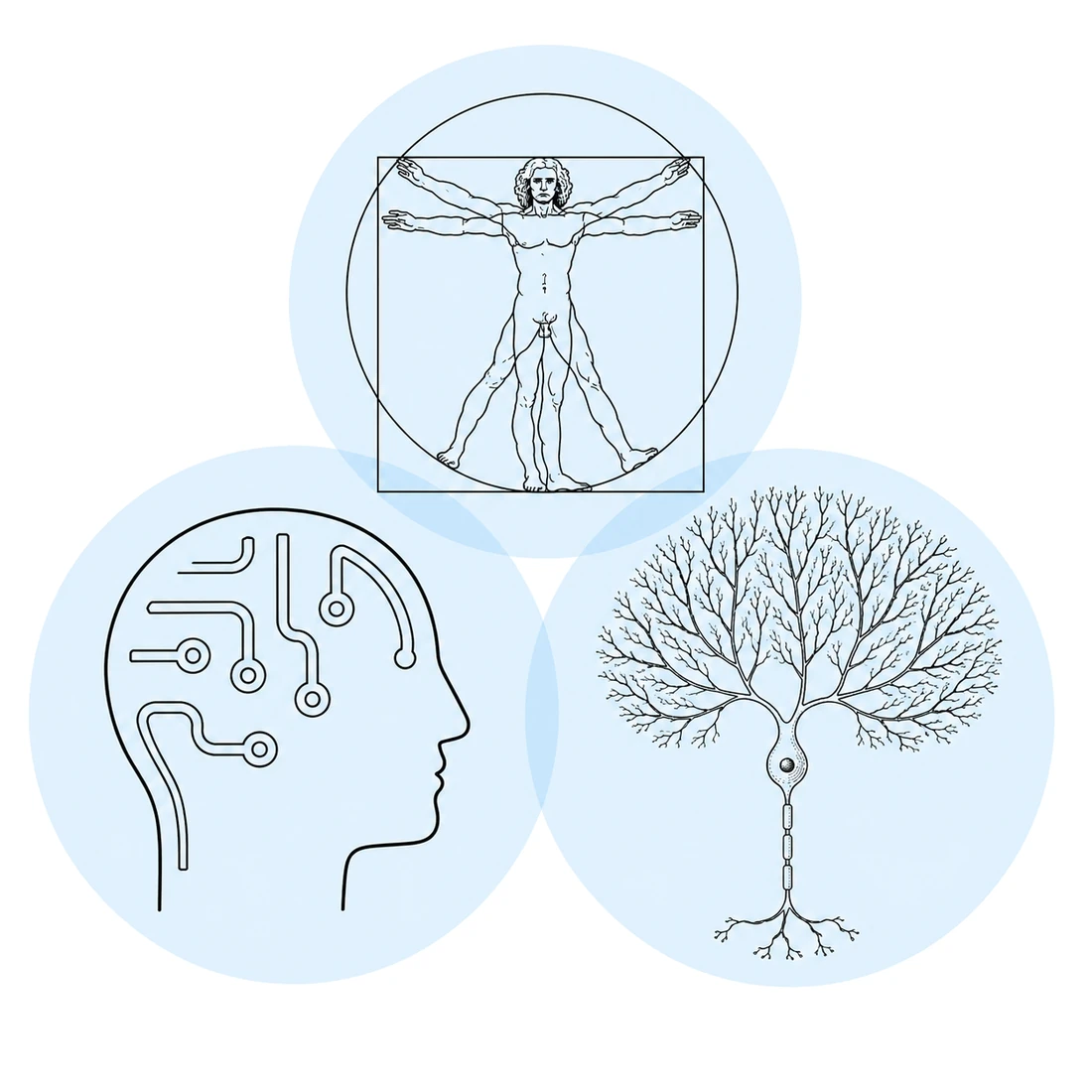
To probe the computation and neural mechanisms of motor learning, I combine behavioral experiments, neuropsychological testing in neurological cohorts such as spinocerebellar ataxia (SCA), computational modeling of both cognition and neural circuits.
Aims
How do we learn from our own actions?
Most theories of motor learning are built on feedback: reward or error. We improve by correcting our mistakes and by reinforcing what worked. Both require knowing how the movement turned out. We propose a third way of learning, based on the pattern of the actions themselves, which needs no feedback at all. Our actions are far from random. Some movements are made far more often than others, the movements one situation calls for differ from those in the next, and co-occurring actions form a chunk that can be reused as a unit later on. This statistical information is what lets the system build a structured space of actions and predict what the next movement will require. My research program builds a statistical learning framework for the motor system, asking how these regularities are learned and how they shape the way we move.
How does the cerebellum support flexible movements?
Our motor system must deal with enormous amounts of uncertainty, originating from noisy perceptual inputs, a changing body, and a volatile environment. Even so, the system tracks the goal reliably and keeps producing accurate movements.
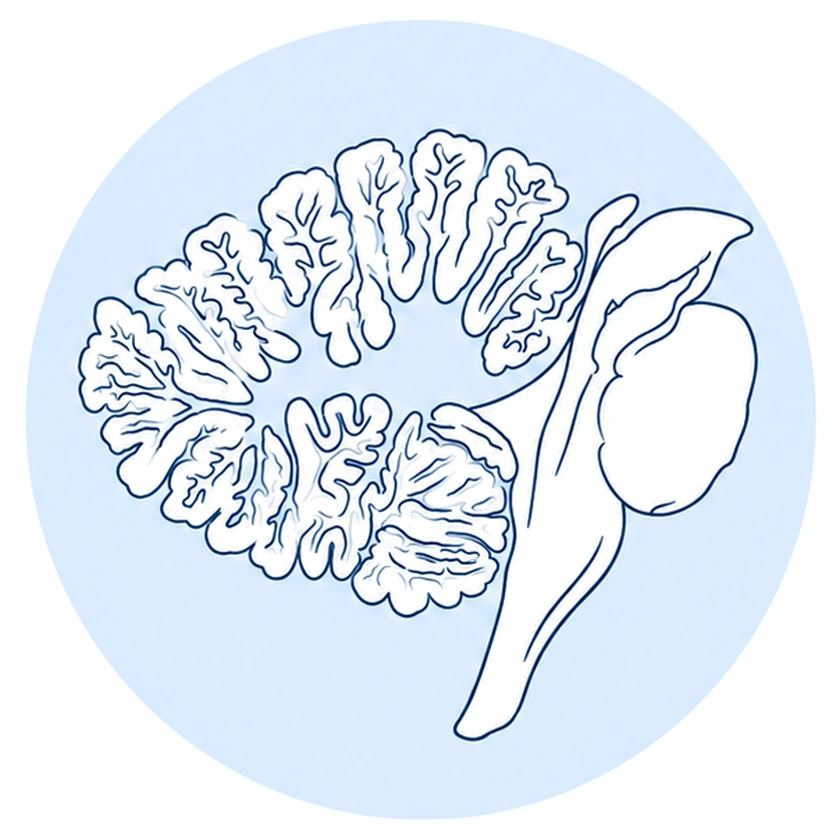
The cerebellum is considered a key region supporting internal models of the body and the world. I examine how it reliably infers the state of the body and the environment to support flexible movements based on rich contextual information. I start from computational modeling to reveal the potential mechanisms underlying this circuit, and I test those models with neuropsychological studies in patients with cerebellar degeneration.
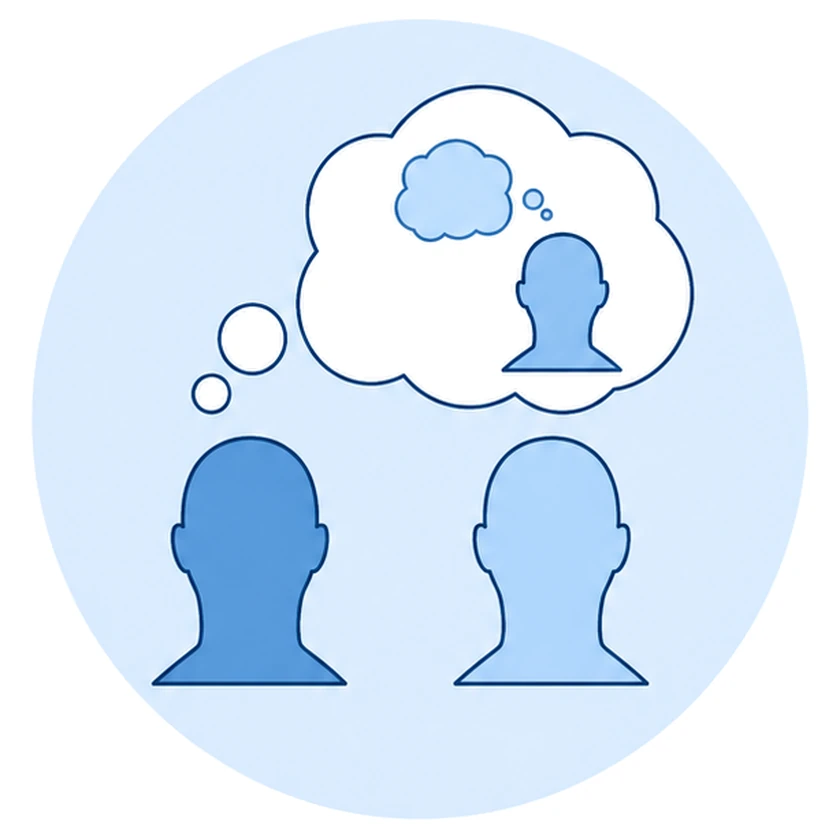
How is the cerebellum involved in cognition?
While traditionally viewed as a motor structure, the cerebellum is increasingly implicated in cognition. However, how it contributes to these functions is still unclear.
I extend models of the motor cerebellum to cognitive domains, conducting neurophysiological and behavioral studies with cerebellar ataxia patients to explore its involvement in inferring the state of the physical and social world, using intuitive physics and theory-of-mind tasks.