Publications
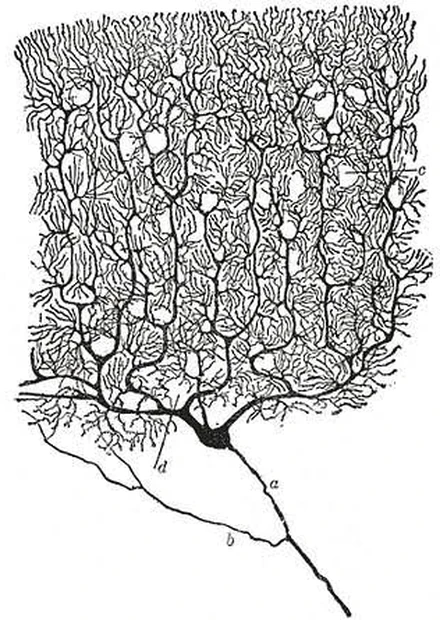
Timing and the cerebellum
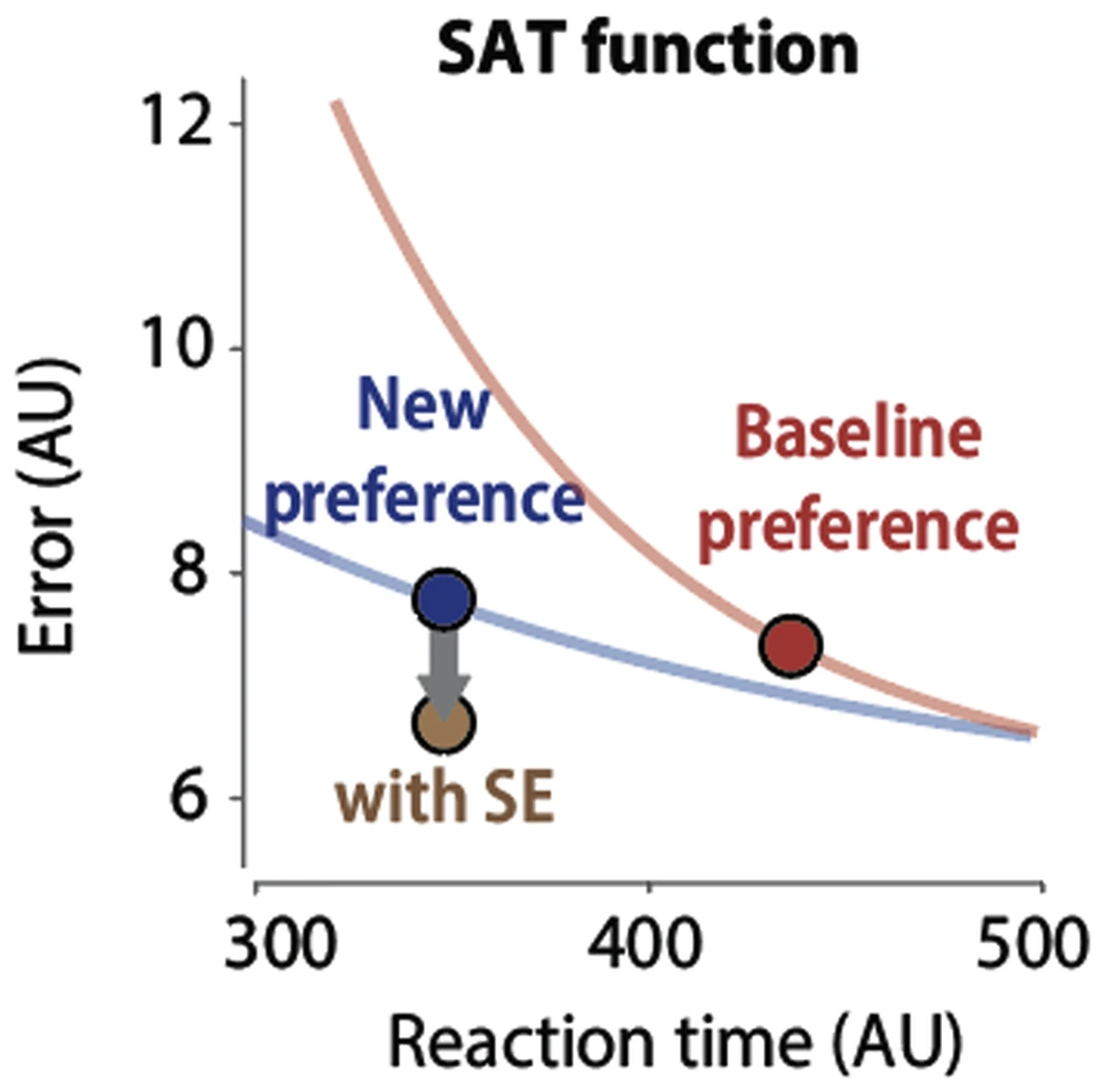
Statistical factorization in motor control: Opposing biases from statistics on different timescales enable fast and accurate behavior
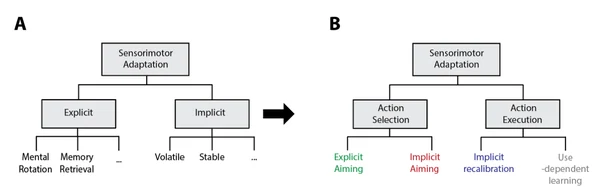
Distinct implicit contributions to action selection and action execution in sensorimotor adaptation
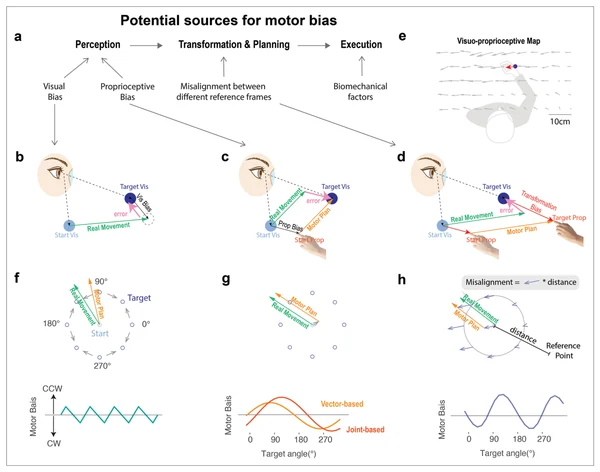
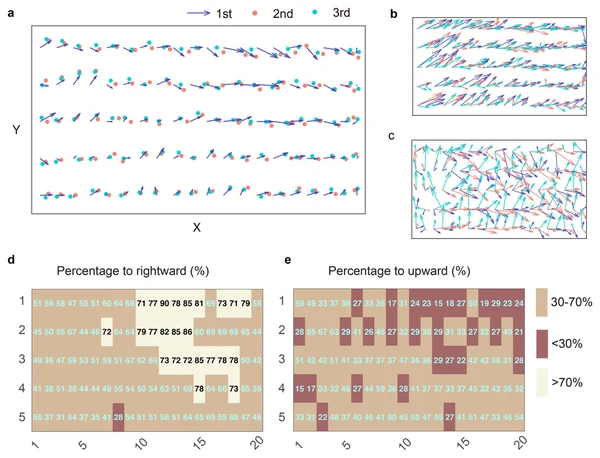
Motor biases reflect a misalignment between visual and proprioceptive reference frames
Integrated approaches for investigating the neural bases of movement
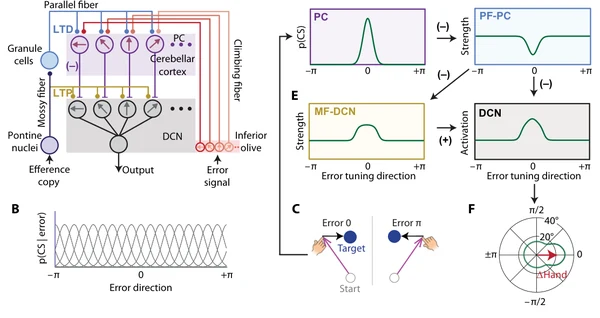
Contextual effects during sensorimotor adaptation are an emergent property of population coding in a cerebellar-inspired model
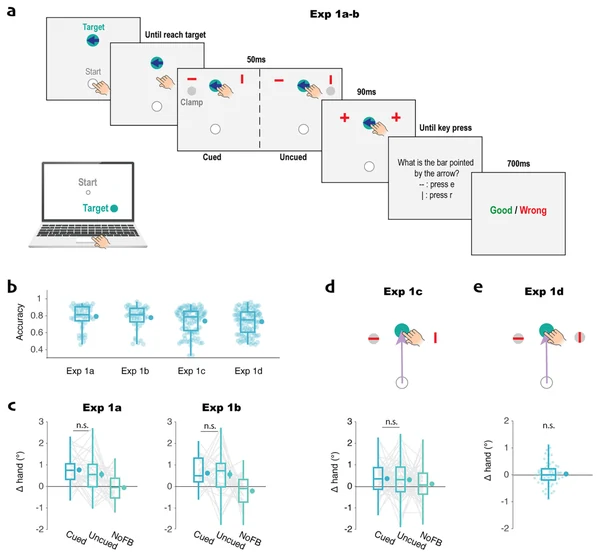
Attention defines the context for implicit sensorimotor adaptation
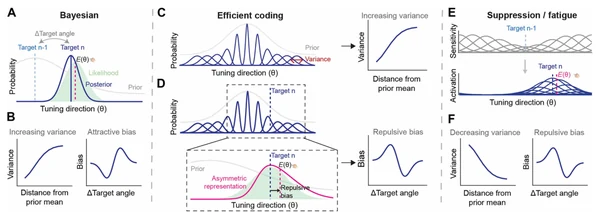
Sequential effects in reaching reveal efficient coding in motor planning
The motor system optimizes decision-making by dynamically adjusting its sensitivity to environmental and internal uncertainties
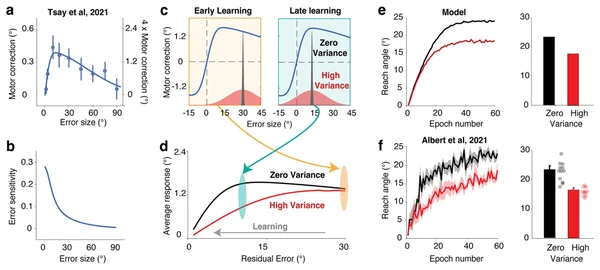
Perturbation variability does not influence implicit sensorimotor adaptation
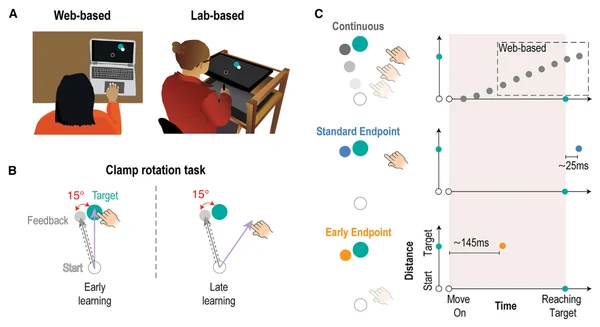
Advanced feedback enhances sensorimotor adaptation
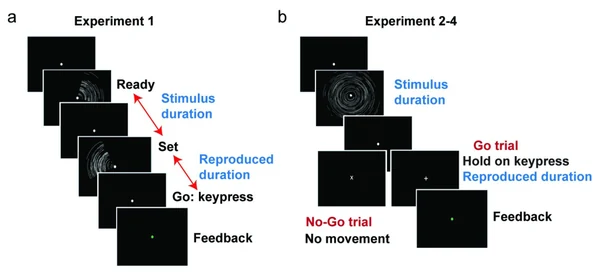
Serial dependence in timing at the perceptual level being modulated by working memory
Implicit reward-based motor learning
A unitary mechanism underlies adaptation to both local and global environmental statistics in time perception
Implicit sensorimotor adaptation is preserved in Parkinson’s disease
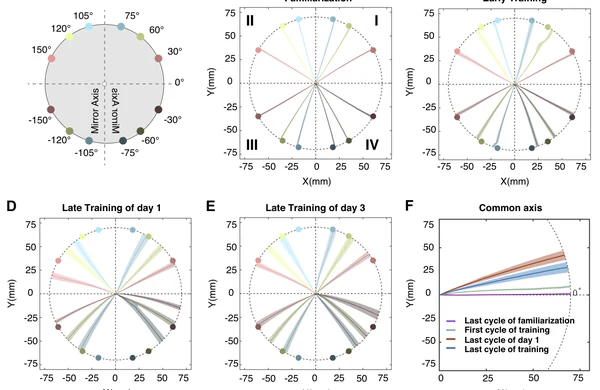
Implicit adaptation to mirror reversal is in the correct coordinate system but the wrong direction
Accuracy of hand localization is subject-specific and improved without performance feedback
* corresponding author.